

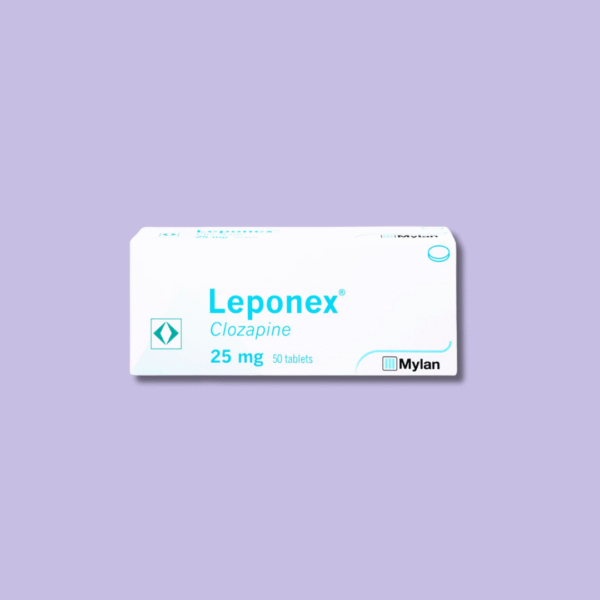

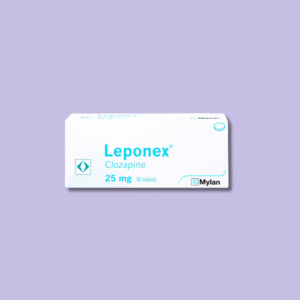
Clozapine
Product details
Your Guide to Clozapine: What You Need to Know
Hey there! If you or someone you care about is considering clozapine, this guide will walk you through the essentials. Clozapine is a powerful medication used for tough-to-treat mental health conditions, but it comes with unique rules and precautions. Let’s break it down!
What Is Clozapine?
Clozapine (brand names: Clozaril, Versacloz) is an atypical antipsychotic often called a “last-resort” medication. It’s mainly used when other treatments fail, especially for schizophrenia that doesn’t respond to other drugs. Unlike older antipsychotics, it balances multiple brain chemicals (like dopamine and serotonin) with fewer movement-related side effects.
What Is Clozapine Used For?
Your doctor might prescribe clozapine for:
- Treatment-resistant schizophrenia (when other meds haven’t worked).
- Reducing suicidal thoughts in schizophrenia or schizoaffective disorder.
- Severe bipolar disorder or aggressive behavior linked to psychosis.
- Rare cases of HIV-related psychosis or Parkinson’s-like symptoms caused by other medications.
How Does It Work?
Clozapine acts like a “multitasker” in the brain:
- Blocks dopamine (calms hallucinations and paranoia).
- Blocks serotonin (improves mood and thinking).
- Balances other brain chemicals to reduce side effects common in older antipsychotics.
Who Should Avoid Clozapine?
Do NOT take clozapine if you:
- Have a history of severe blood disorders (like agranulocytosis).
- Have uncontrolled epilepsy or a bowel blockage (paralytic ileus).
- Are allergic to clozapine.
- Are in a coma or heavily sedated.
Possible Side Effects
Clozapine can cause both common and serious side effects:
- Common: Drowsiness, dizziness, weight gain, excessive drooling.
- Serious (but rare):
- Dangerously low white blood cells (increasing infection risk).
- Heart issues (like inflammation or irregular rhythms).
- Seizures (especially at high doses).
Note: Regular blood tests are mandatory to catch problems early.
Key Precautions
- Blood monitoring: You’ll need weekly blood tests for the first 18 weeks, then less often. This checks for low white blood cells.
- Heart and blood pressure: Clozapine can cause drops in blood pressure—stand up slowly!
- Smoking alert: Smoking lowers clozapine levels. If you quit, your dose may need adjusting.
- Pregnancy/breastfeeding: Discuss risks with your doctor—it’s often avoided.
Drug Interactions
Clozapine interacts with many medications, including:
- Antibiotics (like ciprofloxacin) and antidepressants (like fluoxetine).
- Blood pressure meds (it can amplify their effects).
- Smoking or caffeine (yes, really—they affect how your body processes clozapine).
Always share your full medication list with your doctor!
Dosage and How to Take It
- Starting slow: Doses begin as low as 12.5mg at night to minimize side effects.
- Gradual increases: Your doctor will raise the dose weekly, aiming for 150–900mg/day.
- Missed doses?
- If you skip <2 days: Resume your usual dose.
- If you skip >2 days: Restart at 12.5mg to avoid side effects.
Forms: Pills (taken 1–2 times daily) or liquid.
Stopping Clozapine Safely
Never quit clozapine cold turkey! Taper off over 4+ weeks to avoid:
- Severe nausea, sweating, or headaches.
- Rebound psychosis or seizures.
Your doctor may prescribe meds to ease withdrawal symptoms.
Managing Side Effects
- Weight gain: Work with a dietitian early—clozapine can increase appetite.
- Excessive drooling: Try gum, atropine drops, or even Botox (yes, really!).
- Drowsiness: Take most of your dose at night.
The Bottom Line
Clozapine can be life-changing for those with treatment-resistant mental health conditions, but it requires teamwork with your doctor. Stick to blood tests, report side effects promptly, and never adjust your dose alone. With careful use, it can offer relief when other treatments haven’t.
Always consult your healthcare provider before making changes to your medication! 💊
Your Guide to Clozapine: What You Need to Know
Hey there! If you or someone you care about is considering clozapine, this guide will walk you through the essentials. Clozapine is a powerful medication used for tough-to-treat mental health conditions, but it comes with unique rules and precautions. Let’s break it down!
What Is Clozapine?
Clozapine (brand names: Clozaril, Versacloz) is an atypical antipsychotic often called a “last-resort” medication. It’s mainly used when other treatments fail, especially for schizophrenia that doesn’t respond to other drugs. Unlike older antipsychotics, it balances multiple brain chemicals (like dopamine and serotonin) with fewer movement-related side effects.
What Is Clozapine Used For?
Your doctor might prescribe clozapine for:
- Treatment-resistant schizophrenia (when other meds haven’t worked).
- Reducing suicidal thoughts in schizophrenia or schizoaffective disorder.
- Severe bipolar disorder or aggressive behavior linked to psychosis.
- Rare cases of HIV-related psychosis or Parkinson’s-like symptoms caused by other medications.
How Does It Work?
Clozapine acts like a “multitasker” in the brain:
- Blocks dopamine (calms hallucinations and paranoia).
- Blocks serotonin (improves mood and thinking).
- Balances other brain chemicals to reduce side effects common in older antipsychotics.
Who Should Avoid Clozapine?
Do NOT take clozapine if you:
- Have a history of severe blood disorders (like agranulocytosis).
- Have uncontrolled epilepsy or a bowel blockage (paralytic ileus).
- Are allergic to clozapine.
- Are in a coma or heavily sedated.
Possible Side Effects
Clozapine can cause both common and serious side effects:
- Common: Drowsiness, dizziness, weight gain, excessive drooling.
- Serious (but rare):
- Dangerously low white blood cells (increasing infection risk).
- Heart issues (like inflammation or irregular rhythms).
- Seizures (especially at high doses).
Note: Regular blood tests are mandatory to catch problems early.
Key Precautions
- Blood monitoring: You’ll need weekly blood tests for the first 18 weeks, then less often. This checks for low white blood cells.
- Heart and blood pressure: Clozapine can cause drops in blood pressure—stand up slowly!
- Smoking alert: Smoking lowers clozapine levels. If you quit, your dose may need adjusting.
- Pregnancy/breastfeeding: Discuss risks with your doctor—it’s often avoided.
Drug Interactions
Clozapine interacts with many medications, including:
- Antibiotics (like ciprofloxacin) and antidepressants (like fluoxetine).
- Blood pressure meds (it can amplify their effects).
- Smoking or caffeine (yes, really—they affect how your body processes clozapine).
Always share your full medication list with your doctor!
Dosage and How to Take It
- Starting slow: Doses begin as low as 12.5mg at night to minimize side effects.
- Gradual increases: Your doctor will raise the dose weekly, aiming for 150–900mg/day.
- Missed doses?
- If you skip <2 days: Resume your usual dose.
- If you skip >2 days: Restart at 12.5mg to avoid side effects.
Forms: Pills (taken 1–2 times daily) or liquid.
Stopping Clozapine Safely
Never quit clozapine cold turkey! Taper off over 4+ weeks to avoid:
- Severe nausea, sweating, or headaches.
- Rebound psychosis or seizures.
Your doctor may prescribe meds to ease withdrawal symptoms.
Managing Side Effects
- Weight gain: Work with a dietitian early—clozapine can increase appetite.
- Excessive drooling: Try gum, atropine drops, or even Botox (yes, really!).
- Drowsiness: Take most of your dose at night.
The Bottom Line
Clozapine can be life-changing for those with treatment-resistant mental health conditions, but it requires teamwork with your doctor. Stick to blood tests, report side effects promptly, and never adjust your dose alone. With careful use, it can offer relief when other treatments haven’t.
Always consult your healthcare provider before making changes to your medication! 💊
Prescription Policies
Important treatment exclusions*
Providers won't prescribe online*

Monthly Medication Refill
Additional Information
| Time of Administration | Evening |
|---|---|
| Food Consideration | After food |
Shipping and Returns
Shipping cost is based on weight. Just add products to your cart and use the Shipping Calculator to see the shipping price.
We want you to be 100% satisfied with your purchase. Items except medications can be returned or exchanged within 30 days of delivery.
Quick Comparison
| Clozapine remove | Amisulpride remove | Ziprasidone remove | Aripiprazole remove | Haloperidol remove | Quetiapine remove | |
|---|---|---|---|---|---|---|
| Name | Clozapine remove | Amisulpride remove | Ziprasidone remove | Aripiprazole remove | Haloperidol remove | Quetiapine remove |
| Image | |  | 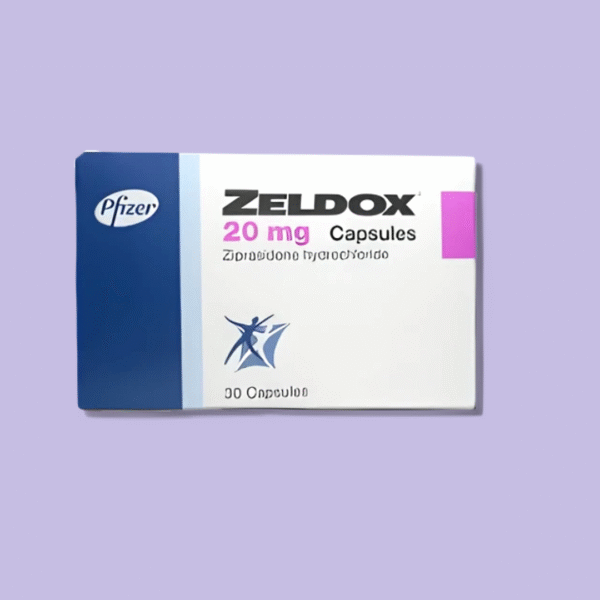 |  | 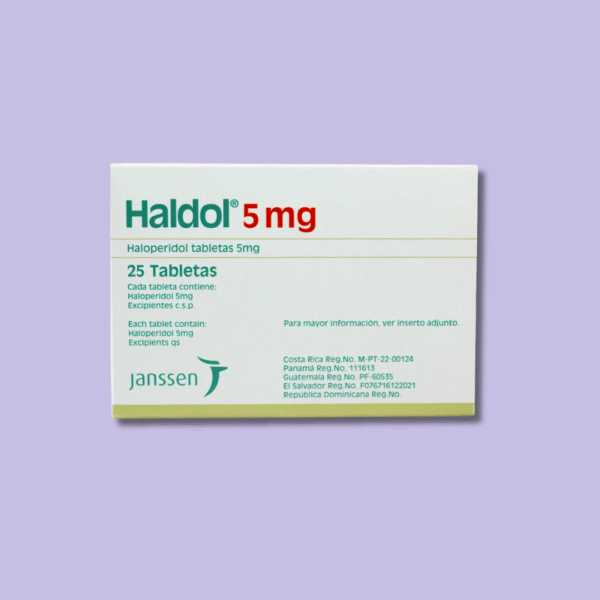 |  |
| Rating | ||||||
| Price | ||||||
| Stock | ||||||
| Availability | ||||||
| Add to cart | ||||||
| Shipping | Standard Delivery | Standard Delivery | Standard Delivery | Standard Delivery | Standard Delivery | Standard Delivery |